- Government to invest ₹100 crore over five years; doctors at district and peripheral hospitals to receive specialised training under hub-and-spoke model
Anupam | Ranchi (Jharkhand): Jharkhand is set to introduce a STEMI (ST-Elevation Myocardial Infarction) programme to ensure timely treatment for heart attack patients in small towns, blocks and rural areas. The state government plans to invest around ₹100 crore over five years to expand the programme, which will operate on a hub-and-spoke model. The initiative aims to strengthen early diagnosis and provide initial treatment closer to patients’ homes, reducing delays caused by the lack of cardiologists and catheterisation laboratories in peripheral areas.
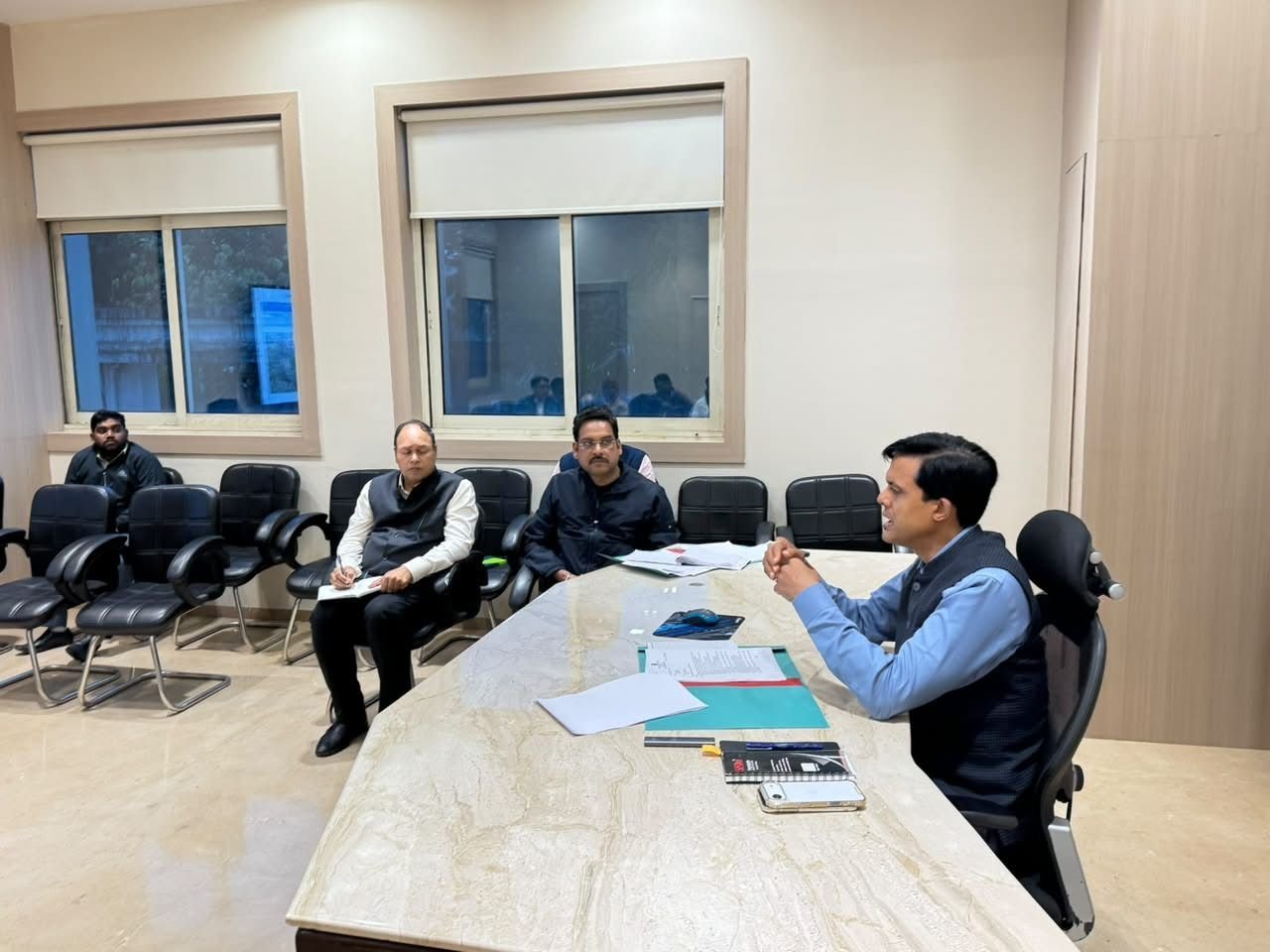
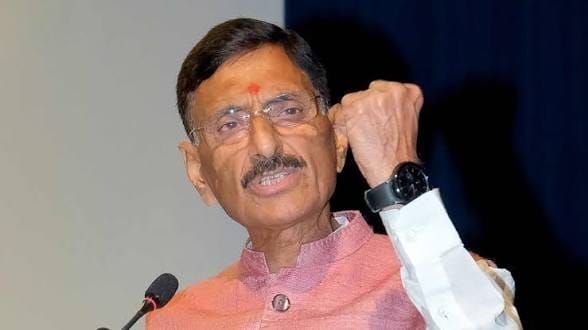
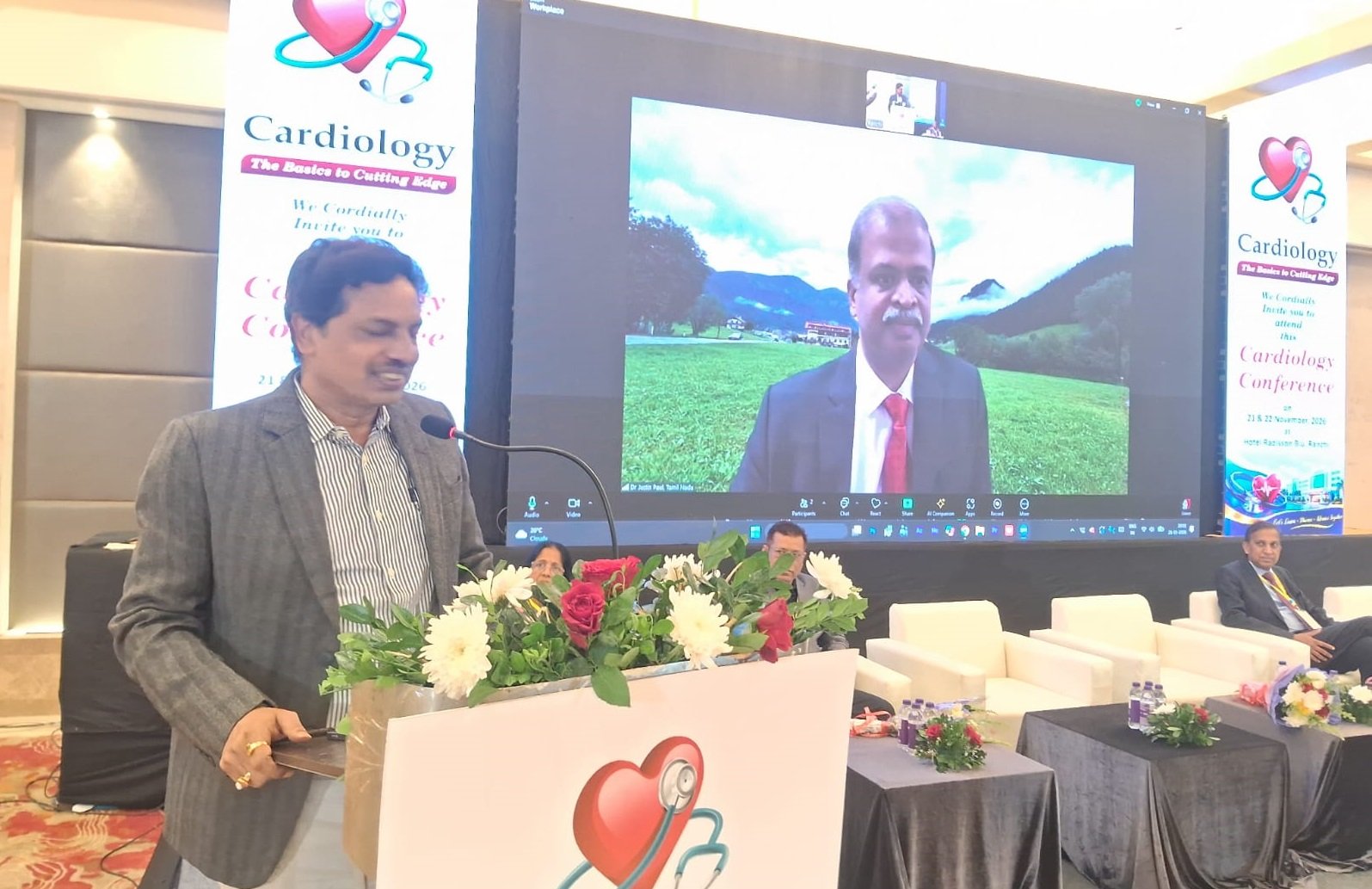
Additional Chief Secretary of the Health Department, Ajay Kumar Singh, announced the proposed rollout during a cardiology conference held at Hotel Radisson Blu on Saturday.
RIMS Head of Cardiology, Dr Hemant Narayan, said Professor Justin Paul of Madras Medical College had presented the programme to the Additional Chief Secretary, sharing Tamil Nadu’s experience with the model. Discussions were held on implementing a similar system in Jharkhand, including its expansion over the next five years and a proposed budget of approximately ₹100 crore.
First Two Hours Crucial in Heart Attack Treatment
Dr Narayan explained that heart attacks are broadly classified into two types: ST-Elevation Myocardial Infarction (STEMI) and Non-ST-Elevation Myocardial Infarction (NSTEMI). In STEMI, blood flow through an artery supplying the heart muscle may become completely blocked. If the blockage is not treated promptly, the affected heart muscle can suffer permanent damage.

This may weaken the heart’s pumping capacity and lead to breathlessness, fatigue, difficulty performing routine activities and, in severe cases, heart failure. According to Dr Narayan, treatment within the first two hours offers the best chance of limiting damage to the heart muscle. Benefits may still be possible within six hours, but delays reduce the chances of a favourable outcome.
Trained Doctors to Provide Initial Treatment
Under the proposed model, smaller hospitals without cardiologists or catheterisation laboratories will function as spoke centres. MBBS doctors posted at these facilities will receive training to identify heart attack symptoms, interpret ECG reports and distinguish between STEMI and NSTEMI.
Where clinically indicated, patients may receive clot-dissolving medication as part of initial treatment before being shifted by ambulance to a hospital equipped with a catheterisation laboratory for further evaluation and angioplasty. Doctors at peripheral centres will also be able to consult specialists through phone calls or WhatsApp when they need assistance in interpreting ECG findings or assessing a patient’s condition.

Hospitals with Cath Labs to Function as Hubs
Hospitals equipped with cardiologists and catheterisation laboratories will serve as hubs, providing advanced treatment to patients referred from smaller centres. RIMS currently has a functional catheterisation laboratory. A facility has been installed in Dhanbad but is not operational yet. Preparations are underway in Hazaribagh and Jamshedpur, while Ranchi Sadar Hospital is also developing a cath lab facility.
Experts Discuss Latest Cardiac Treatments
Around 100 doctors from Jharkhand, Patna and Gaya attended the conference. Dr Mithilesh Das of Indiana University, USA, spoke on syncope and abnormal heart rhythms, including premature ventricular contractions. Dr Dilip Kumar of Manipal Group discussed leadless pacemakers, which are compact devices implanted directly into the heart without conventional connecting wires.
Upcoming sessions will focus on atrial fibrillation, artificial intelligence in cardiology, chronic total occlusion, drug-eluting balloons and left main bifurcation interventions.