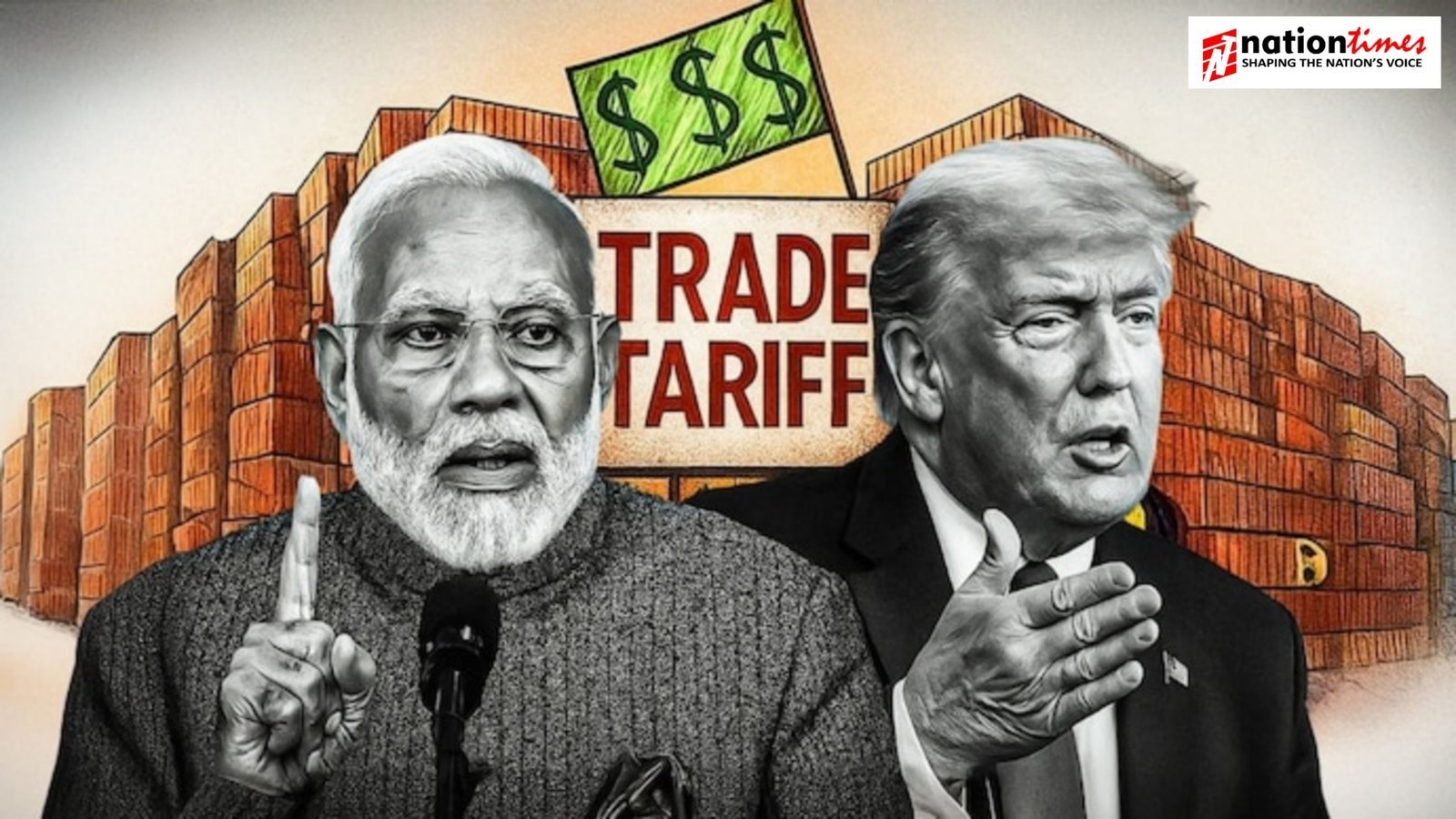
- New Delhi opposes USTR’s proposed 25% tariff on Indian imports, saying no sector has structural excess capacity; government remains committed to an early trade agreement with Washington
New Delhi: India has rejected allegations by the United States that its industrial and trade policies are creating excess manufacturing capacity, maintaining that there is no structural overcapacity in any sector of the Indian economy. The government has called for trade-related concerns to be addressed through ongoing negotiations for the India-US Bilateral Trade Agreement (BTA).
The response comes after the US Trade Representative (USTR) proposed a 25% tariff on Indian imports under its Section 301 investigation. The proposal indicates that the rate could be restricted to 17% if the two countries successfully conclude a trade agreement.
In a statement, the Ministry of Commerce and Industry said the government was examining the latest US notice. It added that India had participated constructively throughout the investigation and had consistently conveyed that it did not have structural excess manufacturing capacity in any sector.
India Wants Trade Concerns Addressed Through Negotiations
The government said the Department of Commerce had presented India’s position both after the initial notice of investigation and during subsequent proceedings.

New Delhi reiterated that trade-related concerns should be resolved within the framework of bilateral negotiations rather than through unilateral trade measures. It also referred to the framework announced on February 2, 2026, and the joint statement issued on February 7.
India said it remained committed to working closely with the US to conclude the proposed trade agreement at the earliest.
How US Tariffs on Indian Goods Changed Since April 2025
The tariff dispute began on April 2, 2025, when US President Donald Trump announced reciprocal tariffs. India initially faced a 26% rate, comprising a 10% baseline duty and a 16% reciprocal component. On April 9, the additional 16% tariff was suspended for 90 days, while the baseline duty continued.

On July 31, Washington announced a 25% tariff, followed by another 25% additional duty on August 6 over India’s purchase of Russian oil. This took the overall additional tariff burden on many Indian goods to 50%, subject to exemptions.
Trade Deal Framework and Subsequent Changes
On February 2, 2026, India and the US announced an understanding on a trade framework, with Washington indicating a reduction in reciprocal tariffs. On February 7, the US also withdrew the additional 25% duty linked to India’s Russian oil purchases.
However, the US Supreme Court struck down the reciprocal tariff system on February 20. A new 10% global tariff was introduced on February 24 for a limited period. After it expired on July 24, the US introduced a 10% Section 301 tariff on Indian goods, citing forced-labour concerns.
Sector-Specific Duties Remain a Concern
According to the details provided, Indian exports currently face a 10% Section 301 tariff, subject to exemptions. Separate duties include 50% on steel and aluminium and 25% on auto parts. Smartphones, medicines and energy products have been granted exemptions.
The latest USTR proposal has brought the trade dispute back into focus. The next course of action will depend on the outcome of negotiations between New Delhi and Washington.